
Tax
Congressional Democrats Propose Expanding Child Tax Credit as Monthly Payment for Pandemic Relief
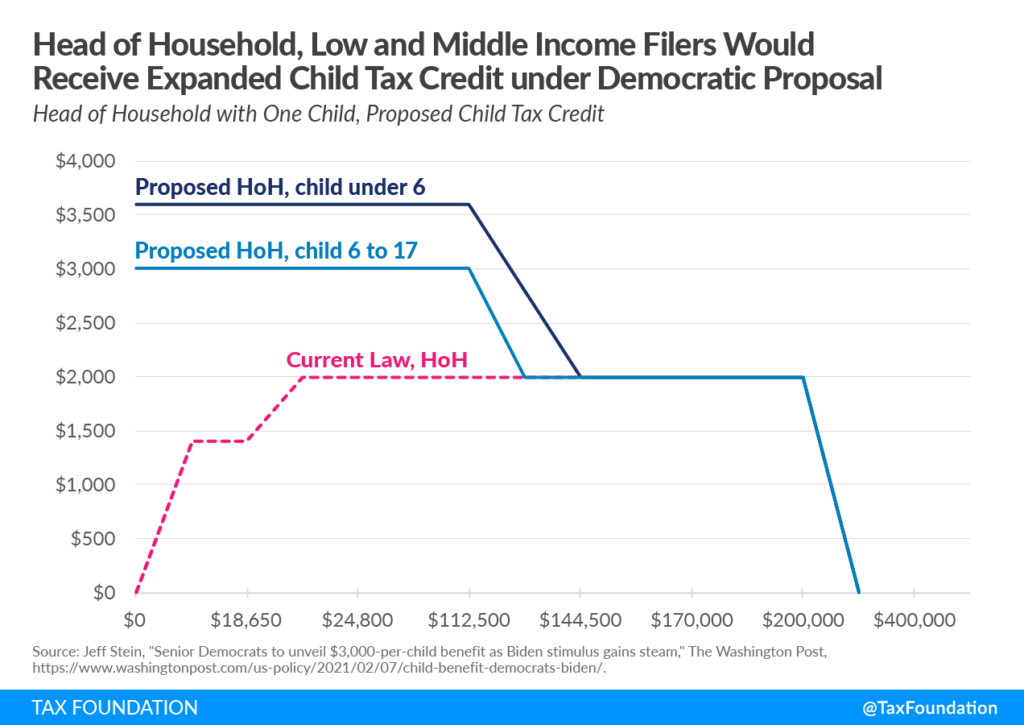
The House Ways and Means Democrats’ just-released proposal to expand the child tax credit for one year represents a significant expansion of benefits but comes with several administrative challenges. It would be included in President Biden’s larger $1.9 trillion in economic relief package moving through the budget reconciliation process. The Child Tax Credit (CTC) would…
Read MoreState Sales Tax Breadth and Reliance, Fiscal Year 2020
Key Findings Sales taxes account for about one-third of state tax revenue, but most sales taxes are imposed on narrow—and still-narrowing—bases, with average sales tax breadth of only 30.63 percent and a median of 36.26 percent. Sales tax bases range from 21.91 percent of personal income in Massachusetts to 119.10 percent in Hawaii; the Massachusetts…
Read MoreSen. Romney’s Child Tax Reform Proposal Aims to Expand the Social Safety Net and Simplify Tax Credits
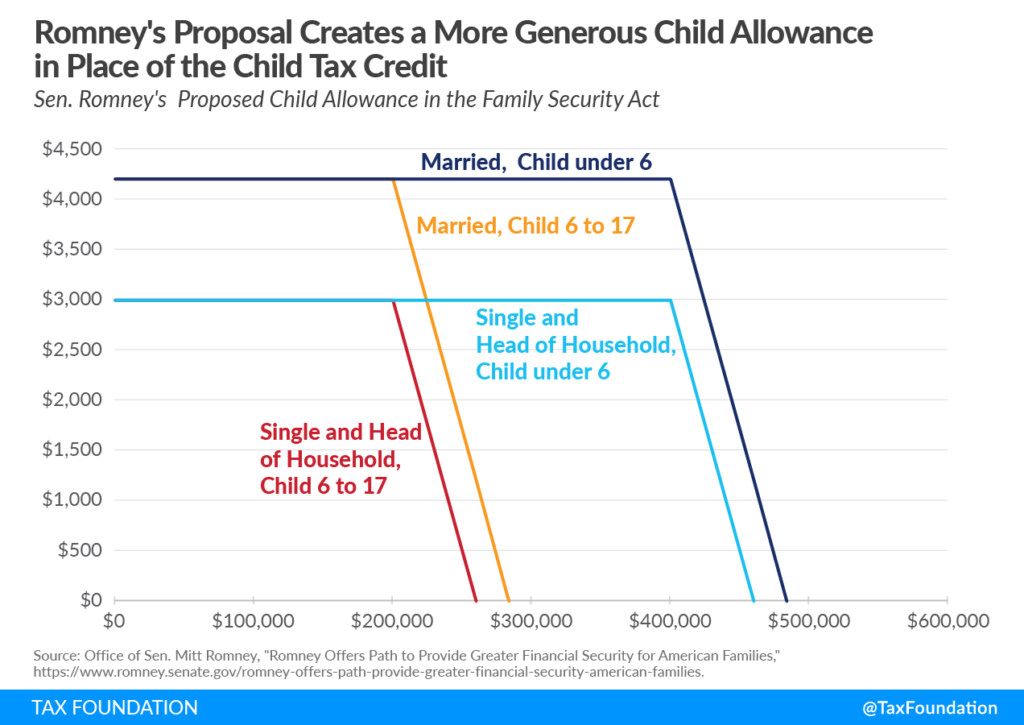
Sen. Mitt Romney (R-UT) this week proposed the Family Security Act, which features a new, more generous child allowance for families with children while reforming other sources of aid for low-income individuals. Romney’s plan would replace the existing Child Tax Credit (CTC), which is subject to a minimum income requirement and other limitations, with a…
Read MoreWhat the U.S. Can Learn from the Adoption (and Repeal) of Wealth Taxes in the OECD
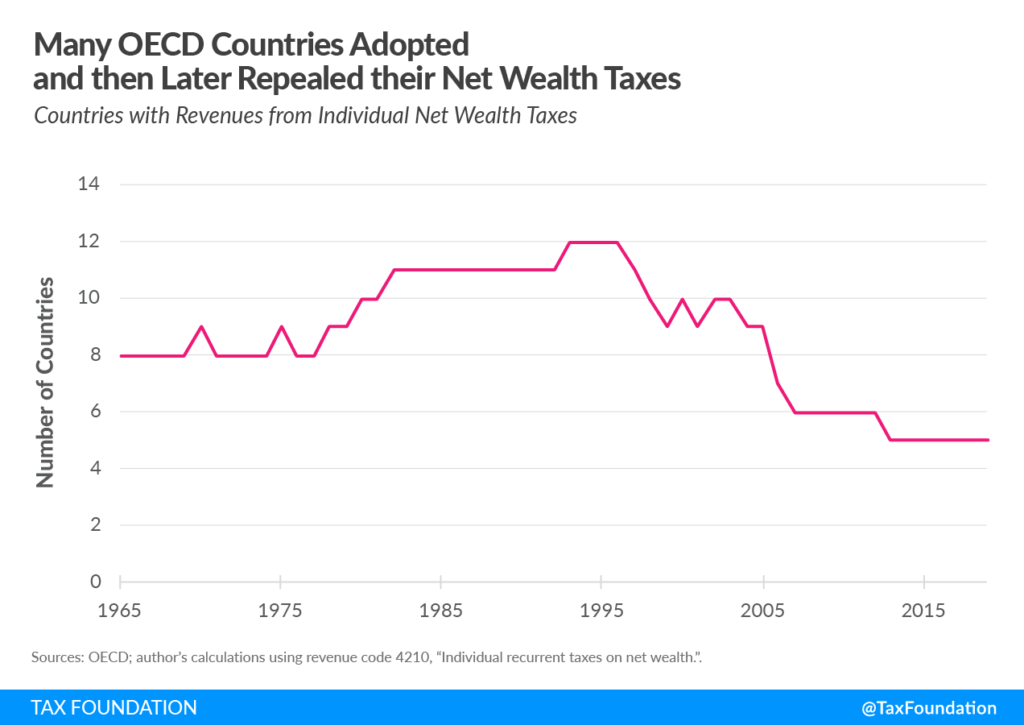
Recent discussions of a proposed wealth tax for the United States have included little information about trends in wealth taxation among other developed nations. However, those trends and the current state of wealth taxes in OECD countries can provide context for this new proposal. The OECD maintains detailed tax revenue statistics going back to 1965…
Read MoreFlorida and Missouri, the Last Wayfair Holdouts, Consider Remote Sales Tax Bills
Since 2018’s landmark South Dakota v. Wayfair Supreme Court case, most states have jumped at the chance to use their newfound authority to tax a greater share of online sales. Some states designed their systems better than others, and many still include relics of previous regulations dealing with physical presence, but nearly every state was…
Read MoreFor Meaningful Federal Aid to States, Why Not Reimburse Unemployment Compensation Payments?
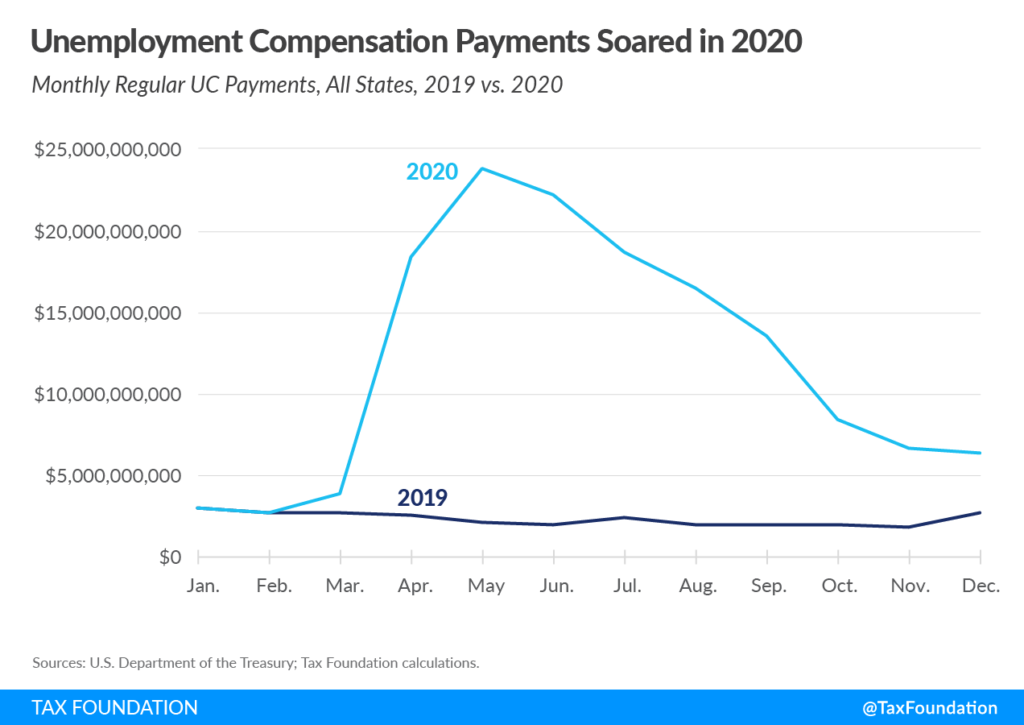
State tax revenues held steady in 2020, coming in less than one-tenth of 1 percent lower than in 2019, according to the latest JPMorgan research (which is consistent with earlier data), and combined state and local revenues have likely risen year-over-year. This is a curious backdrop to the current federal debate, in which Congress is…
Read MoreStates Positioned for a Super Bowl Win with New Taxes on Sports Betting
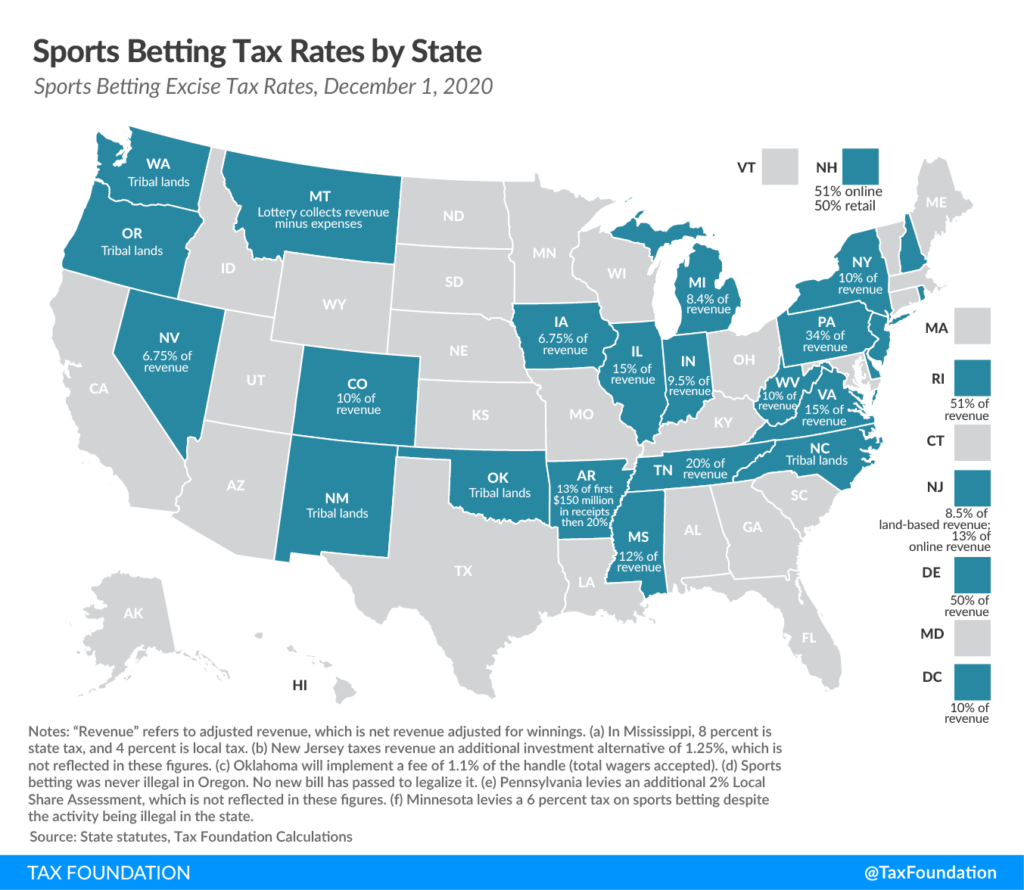
Although this week’s Super Bowl festivities may be muted, with far fewer parties and celebrations, states with legalized sports betting may have something to cheer: a tax revenue bump thanks to the accompanying excise taxes. The American Gaming Association estimates that Americans will wager a total of $4.3 billion on the highly anticipated matchup of…
Read MorePersonnel Is Policy: Biden International Tax Team Edition
This week, the Treasury Department added several new appointees as staffing continues following President Biden’s inauguration. Among them were three scholars of international tax policy: economist Kimberly Clausing and law professors Rebecca Kysar and Itai Grinberg. These three will be influential in developing the administration’s approach to changing U.S. tax rules for multinational corporations and…
Read MoreThe European Commission and the Taxation of the Digital Economy
Key Findings The EU budget agreement reached in 2020 called for a new digital levy as a funding mechanism. Evidence on the taxes paid by digital companies calls into question the arguments in favor of a digital levy. EU policymakers should focus on continued implementation of digital VAT policies and ongoing international negotiations rather than…
Read More