
Medical
Will reading Tolstoy make you a better doctor?

In an increasingly technology-oriented world, genuine human connection is becoming rarer. Physicians are taught to emotionally disassociate from their patients for mental self-protection. This detachment can result in a loss of human connection between a doctor and patient, which may interfere with patient health outcomes. Studying great literature, such as Tolstoy’s The Death of Ivan…
Read MoreThe other side of believing the science

In medicine, we define shared-decision making between the patient and physician as our gold standard ideal. Leveraging separate ideals is our standard of behavior. So what must it feel like to a patient of faith when his/her physician tells him/her “believe the science?” Scientific evidence and religious texts can both be manipulated to support a…
Read MoreI will never question my worth when I am misunderstood

“I didn’t understand what you said,” said the waitress. “She very clearly said she wanted a quesadilla with a side of beans!” yelled an elderly gentleman at a different table. The nervousness that arose when ordering food at restaurants grew as months passed like the fetus of a diabetic mother. My thoughts would race around…
Read MoreAsian-Americans for cross-racial solidarity in medicine

As authors, although we represent a multitude of Asian diasporic identities, we are not representative of all Asian identities. We acknowledge this and add nuance to unpack this whenever possible. The views expressed in this piece are our own. As we enter another month of America’s racial re-reckoning, anti-affirmative action sentiment has resurfaced like clockwork.…
Read MoreA DO’s take on the FIGS faux pas

Most health care providers are aware of the FIGS scrubs advertisement that depicted a female physician with a DO badge holding a Medical Terminology for Dummies book upside down. In one fell swoop, FIGS enraged the entire medical community causing backlash towards their company. This ad mocking female osteopathic physicians sparked outrage. Many in health…
Read MoreAspirin and breast cancer risk: How a wonder drug may become more wonderful
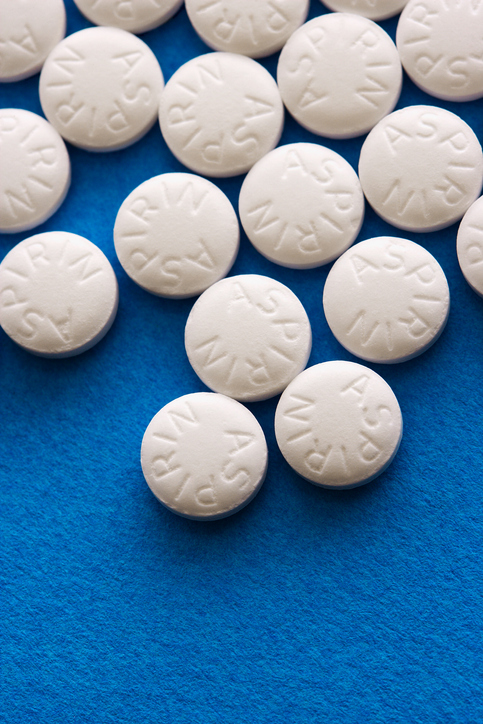
Aspirin has been called a wonder drug. And it’s easy to see why. It’s inexpensive, its side effects are well-known and generally minor. And since it was developed in the 1890s, it’s been shown to provide a number of potential benefits, such as relieving pain, bringing down a fever, and preventing heart attacks and strokes.…
Read MoreA physician experiences unprofessional behavior. What happened next? [PODCAST]

“Setting: An impersonal, windowless conference room within a hospital Characters: A nurse in charge (NIC), a department chair (DC) and me (ME) NIC: Thank you for joining us to discuss the report you made of unprofessional behavior in the operating room. We’d like to start by letting you know that in this institution, we have a…
Read MoreYou will be unprepared to face death

I wrote my undergraduate thesis on death and dying. I read journal articles trying to understand what death meant and how it affected people. I spent hours reading books, both fiction and nonfiction, trying to understand if you can ever die a good death. I engaged in meaningful conversations with compassionate and astute physicians, nurses,…
Read MorePromoting equity and community health in the COVID-19 pandemic
Editor’s note: Second in a series on the impact of COVID-19 on communities of color, and responses aimed at improving health equity. Click here to read part one. In early March 2020, as COVID-19 was declared a public health emergency in Boston, Mass General Brigham began to care for a growing number of patients with…
Read More