
Medical
A pulmonologist’s COVID diary

June 25 Like most physicians, I am bad at scheduling my own doctors visit. This year, despite COVID craziness, I had made an appointment with a new PCP to get Singulair refills (my allergies were a killer, and a drippy nose behind an N95 is no joke). I loved my new PCP! She connected with…
Read MoreImmigrant women are essential: Sociocultural factors clinicians should know during times of crisis

Across the globe, the month of March became a turning point for the COVID-19 pandemic. Amidst daily clinical updates, dramatic increase in cases, and rapid policy changes, International Women’s Day – an observance that allows gender equality to take the spotlight – came and went. Since March, COVID-19 worsened existing health disparities, further exacerbated by…
Read MoreEducational curricula, policies, and parenting that support anti-racism beginning in pre-school

Every day since George Floyd’s death, I have read to my five-year-old, brown-skinned boy about reasons to love his skin. After reading a book that explained how black and brown-skinned people are not always treated fairly, he asked, “Does that mean white people are mean?” As we discussed ways that systemic racism plays out in…
Read MoreRefining the role of police in our society

In the wake of George Floyd’s death and the rush of similar stories from around the country, many have called to “defund the police.” While critics paint this as a reactionary response to high-profile incidents, the phrase deserves deeper consideration than that. The killings of George Floyd, Ahmaud Arbery, Breonna Taylor, and countless others are…
Read MoreMaking telemedicine more inclusive
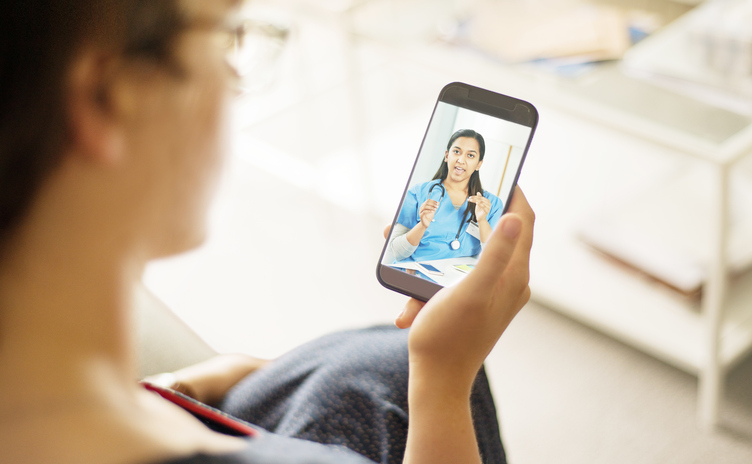
As a primary care physician at an academic community health care system in Massachusetts, I received a rapid introduction to telehealth this year. Within days after Massachusetts declared a state of emergency in response to the spread of COVID-19, almost all of our patient visits became telemedicine visits. Our staff reached out to patients to…
Read MoreSpare older anesthesiologists COVID-19 coronavirus risk [PODCAST]

“This pandemic presents a unique opportunity for senior anesthesiologists to see the benefit of accommodating the health care needs of our workforce. Just as I tried to avoid the teratogenic effects of certain cases when pregnant, we should consider the most effective ways to protect senior anesthesiologists from a life-threatening infection. When the pandemic has…
Read MorePatients in Sweden received fewer post-op opioids. Why is that?

When I was in Sweden, I heard this phrase several times: “There is no such thing as bad weather, just bad preparation.” They said this when we asked them what they did with their children in dead of winter. The proud parents made it very clear that no matter what the weather, when it is…
Read MoreBurnout might not be an option for tomorrow’s physicians

Long before COVID-19 plagued our nation and world, physicians in the United States found themselves facing their own epidemic within the profession – occupational burnout. Associated with depression and suicidal ideation as well as potential risks to patient safety, physician burnout has uniquely profound and possibly deadly implications in this field, unlike in other professions. Likewise, doctors have…
Read MoreWho should be the first responders to mental health crises?

First and foremost, a mental health crisis is a medical emergency well within the sector of public health. Therefore, the question of who should respond to mental health emergencies is one in which physicians and all medical providers should have a say. Medical providers should not only be aware of the systems in place to…
Read More