
Medical
We need more physicians in politics and (social) media

It’s simple: we need more physicians in media and politics. COVID-19 has proven to be a crash course in the practical application of microbiological, pathophysiological, clinical, statistical, and ethical principles. As a newly graduated MD preparing to enter residency, I spend my mornings filtering through recent journal correspondence, case reports, observational studies, and randomized control…
Read MoreHow this ophthalmology resident contributes during COVID-19 pandemic

A call to arms The thought never crossed my mind that as an ophthalmology resident, I would play a direct role in treating patients with this novel virus. The rapidity with which the virus had spread would become a poignant reminder of the lethality of pandemics. In a few short weeks of the first COVID…
Read MoreThe unremitting adventure of COVID recovery

COVID-19 is taking a toll on my mental well-being in a way I had not expected. I have a rather high distress tolerance. I am a pediatric emergency psychiatrist. Now I am a wounded healer battling anxiety and fears from the constant unknown taking place inside my body. In early March, before New York State…
Read MoreTragic optimism in the time of COVID-19

Whispers of fluctuating rumors had filled our ears for the last week; group messages were exploding with controversy — the invisible threat, COVID-19, had reached the Texas Medical Center. All meetings for over 25 people were canceled, effective immediately. Suddenly, during the season when as a third-year medical student, I was supposed to be rotating…
Read MoreFlattening the curve of COVID’s emotional impact

For weeks, our health care workforce has been on the frontlines of the COVID-19 pandemic staring straight at mortality – their patients and their own. They have been single-mindedly focused on the task at hand, doing what needs to be done while instinctually suppressing their emotional response. The job requires this, and they have done…
Read MoreBack to school in the pandemic era

As of May 17, 2020, there are approximately 1.5 million documented cases of COVID-19 in the United States. Of those infected, 90,000 have died. The current population of the United States is estimated to be 331 million. This means COVID-19 infections have only been confirmed in less than one-half of 1 percent of Americans. This…
Read MoreIs everyone anxious? The mental toll of the pandemic.

The chart for the first patient of the morning states, “elevated blood pressure for two weeks.” As I enter the room, I see a frail, elderly woman perched gingerly in the chair. She has on large sunglasses and a fabric mask. She looks apprehensive, so I introduce myself quickly. Before COVID-19, I would shake her…
Read MoreReducing your risk of changes in thinking following surgery
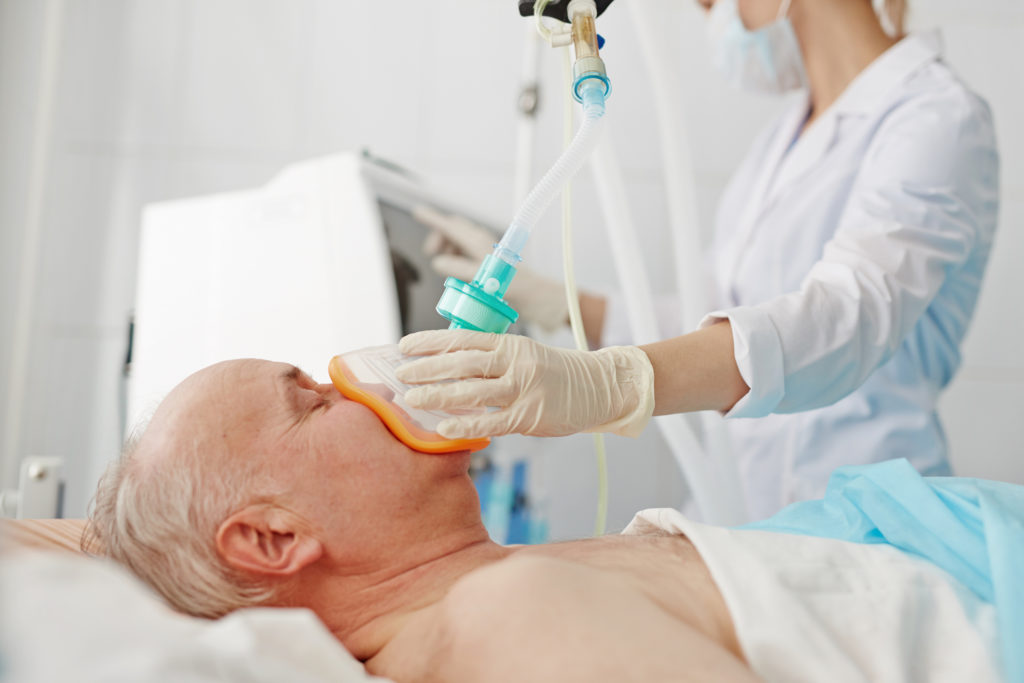
Cognition is an important function of the brain that enables us to acquire and process information, to enhance our understanding of thoughts, experiences, and our senses. Any condition that affects our ability to think, reason, memorize, or be attentive affects our cognitive ability. Some cognitive decline is a normal part of aging, but there are…
Read MoreRemember the art of medicine during virtual visits

The COVID-19 crisis has forced upon us the rapid adoption of telemedicine with all its advantages and flaws. It has certainly allowed physicians to evaluate patients safely and to assess them while continuing to allow them to physically distance. It many cases, it has allowed for the recognition of an exacerbation of a chronic illness…
Read More