
Tax
Neutral Cost Recovery Is Not a New Idea
Today, lawmakers and the administration are exploring policies to meet the need to increase investment and economic output amid an economic downturn. Improving the cost recovery treatment of long-lived assets is a cost-effective tax policy change that can boost investment and growth. While full expensing is one approach and is a policy that lawmakers are…
Read MoreEmpirical Evidence Shows Expensing Leads to More Investment and Higher Employment
As state and local governments begin to relax their restrictions on business and individual activities, the debate has begun over what policies will best help the economy recover from the COVID-19-induced shutdown. The Tax Foundation’s General Equilibrium Model suggests that allowing businesses to immediately deduct or “expense” their capital investments in the year in which…
Read MoreLouisiana Considers Temporary Suspension of Part of Corporation Franchise Tax
The Louisiana House is considering a resolution that would temporarily suspend a portion of the state’s capital stock tax, called the Corporation Franchise Tax. Louisiana is one of 16 states that levy capital stock taxes, which, unlike corporate income taxes, fall on a business’s net worth (or accumulated wealth) instead of its net income (or…
Read MoreThe CARES Act Charitable Deduction For Non-Itemizers Was A Lost Opportunity To Help Beneficiaries Of Non-Profits
According to the Joint Committee on Taxation, Congress spent about $1.5 billion in the Coronavirus Aid, Relief, and Economic Security (CARES) Act to create a…
Read MoreOptions for Improving the Tax Treatment of Structures
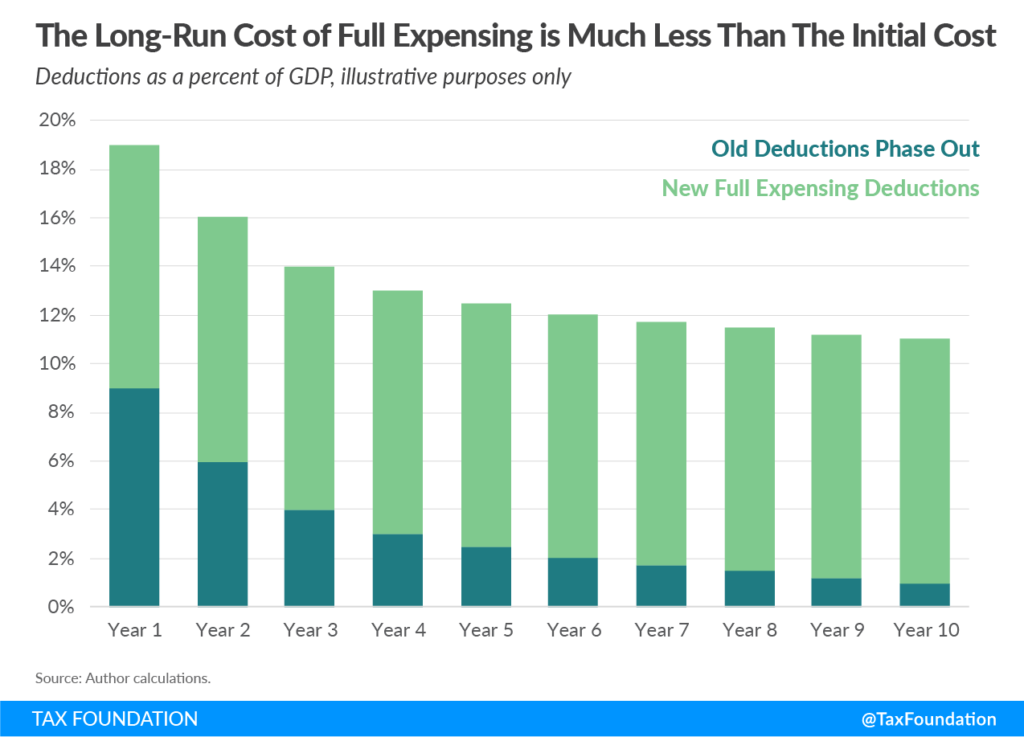
Key Findings Removing tax policy barriers can help businesses and individuals invest, work, create jobs, and lift the economy during a post-pandemic recovery without requiring lawmakers to create new spending programs. One of the most cost-efficient options available to lawmakers is to improve the cost recovery treatment of structures. Residential structures must be depreciated over…
Read MoreHEROES Act First Bid to Provide Phase 4 Relief for Businesses and Individuals
The Health and Economic Recovery Omnibus Emergency Solutions (HEROES) Act, a draft released Tuesday by Democrats in the U.S. House of Representatives, is the first bid to provide additional economic relief to individuals and businesses affected by the coronavirus pandemic and economic downturn. The bill is projected to cost about $3 trillion—a third greater than…
Read MoreTPC Analyzes Five Ways To Replace The SALT Deduction Cap
The $10,000 annual limit on the state and local tax (SALT) deduction was one of the most contentious provisions of the 2017 Tax Cuts and…
Read MoreAccounting for Deficits: When Should They Matter and How Should We Solve It?
Reporting suggests that Congress will continue to consider a variety of legislative solutions to support Americans enduring the ongoing public health crisis, provide short-term financing and tax relief for businesses and individuals, and eventually, revive economic growth after the crisis passes. With policymakers contemplating more spending even as tax revenues fall relative to previous…
Read MoreThe U.S. Tax Burden on Labor
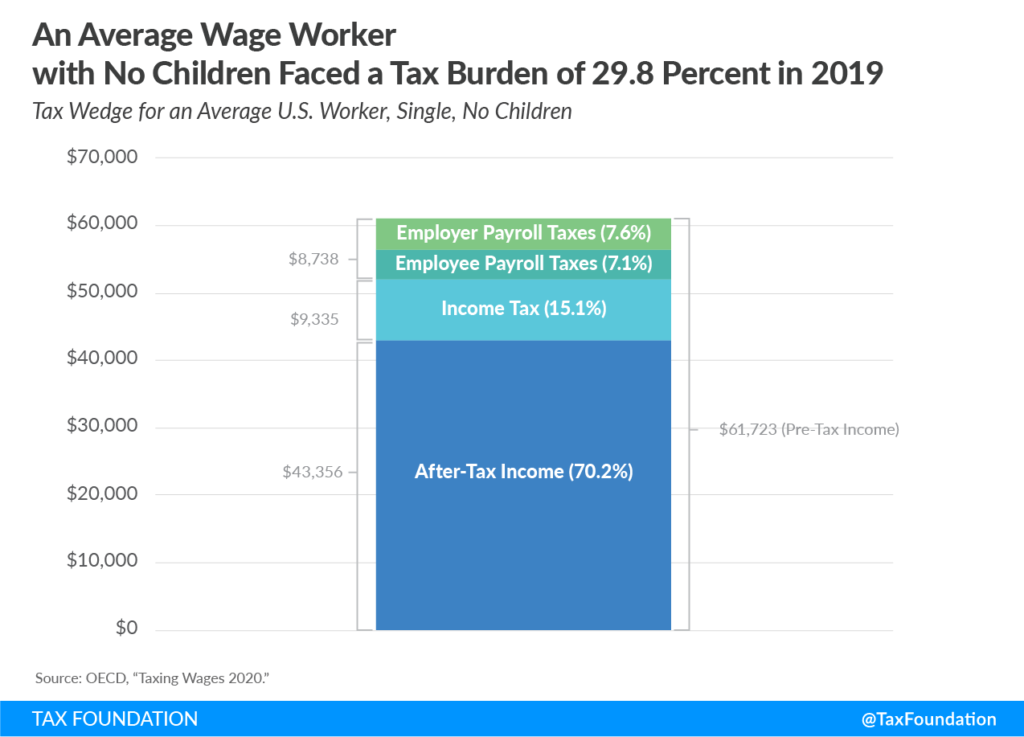
Key Findings Average workers in the United States face two major taxes on wage income: the individual income tax and the payroll tax (levied on both the employee and the employer). Although slightly more than half of a U.S. worker’s payroll tax burden is paid by their employer, the worker ultimately pays this tax through…
Read More